


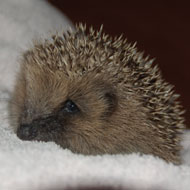
Wildlife charities are reminding people to check bonfires thoroughly before lighting them, to protect nesting hedgehogs.
As bonfire night and Halloween celebrations approach, people are urged to build bonfires on they day they will be lit and take steps to ensure there are no wild animals inside. Unlit bonfires and piles of dead leaves are attractive locations for hedgehogs that are looking for a place to hibernate.
“Hedgehog populations are in decline in the UK,” said Tarnya Knight, from the Born Free Foundation. “So it’s important to be vigilant at this time of year and protect these amazing creatures. Hedgehogs can die or suffer awful injuries through contact with bonfires, so we’re asking people to take some simple precautions to avoid causing them any harm.”
If materials are stored on open ground before a bonfire, it must be dismantled and moved to a new spot before lighting, added Fay Vass, chief executive of the British Hedgehog Preservation Society (BHPS).
“Ensure it’s moved to clear ground - never on top of a pile of leaves as there could be a hedgehog underneath, and not too close to pampas grass which can ignite very easily and is another favourite spot for hedgehogs to hide under.”
If a large bonfire must be built in advance, the BHPS advises protecting it by putting some chicken wire (at least 1m tall) around the bottom. Slope the wire outwards to prevent hedgehogs climbing it, and hold it in place with stakes. To check you haven’t missed anything, light the fire from one side and keep people away from the unlit side, so any hedgehogs that are inside can escape.
If you leave a bonfire unattended while building it, remember to check for wild animals before lighting. BHPS says hedgehogs tend to hide in the centre and bottom two feet, so gently lift the bonfire section by section using a pole or broom.
“If hedgehogs are found,” Fay continues, “take as much of the nest as you can and place them in a high-sided cardboard or plastic box with plenty of newspaper/old towelling. Ensure there are air holes in the lid and that the lid is secured firmly to the box, as hedgehogs are great climbers. Wear garden gloves so as not to get human smells on them and to keep them calm as hedgehogs are easily stressed…
“Put the box in a safe quiet place such as a shed or garage well away from the festivities, offer specialist hedgehog food, meaty cat or dog food and water. Once the bonfire is totally dampened down, release the hedgehog under a hedge, bush or behind a stack of logs.”
Born Free also urged members of the public who find young or underweight hedgehogs, or those that are out during the day, to contact their local wildlife centre, or the BHPS (www.britishhedgehogs.org.uk).
Image © Tarnya Knight/Born Free






