


Rising concern over honey bee future
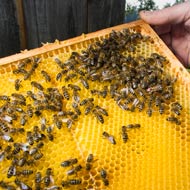
BBKA’s survey shows 62 per cent of beekeepers are concerned about the impact of pesticides on the future of honey bees.
New figures show a ‘depressingly small’ honey crop in Britain this year, prompting renewed concerns about the future of the honey bee.
The average beekeeper in England produced just 23.8 lbs of honey this year, down by 2.3 lbs compared to last year, according to a survey by the British Beekeepers Association (BBKA).
England’s two most productive regions were the south east and the east, producing 30.1 lbs and 29.3 lbs of honey per hive respectively. However, Wales and the south west - which suffered a particularly wet summer - saw their honey crop fall to 18 lbs per hive.
Although weather conditions always cause variations in honey crops, it is the steady overall decline in quantity that has beekeepers worried.
“A honey crop of fifty to a hundred pounds was typical when I started beekeeping in the 1950s,” explains Job Hobrough. “In those days farmers under-planted crops with clover to nourish the land, nowadays there just isn’t time or space for this style of farming.
“I think it is having a huge impact on the honey crop, by reducing the forage available not just to honey bees, but all our insects.”
BBKA’s survey shows 62 per cent of beekeepers are concerned about the impact of pesticides, including neonicotinoids, on the future of honey bees. Other top five concerns are loss of forage from agricultural development (31 per cent), Asian hornets (32 per cent), Varroa mite (28 per cent) and climate change (28 per cent).
Britain differs from Europe in the sense that most of its beekeeping is carried out by amateur beekeepers, rather than bee farmers. However, neither the EU nor the UK produce enough honey to meet demand.
BBKA chairman Margaret Murdin says everyone can play a part in helping honey bees and other insects, by planting flowers and shrubs that are rich in nectar and pollen.


 Companies marketing medicines for small pets exempt from authorisation must submit their annual return to the Veterinary Medicines Directorate (VMD) by 30 November 2026.



