


New canine DNA tests released
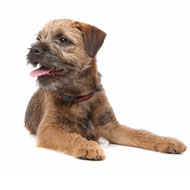
“Now, there is no reason for any more border terriers to be born with shaking puppy syndrome, illustrating the enormous potential of DNA testing."
The Animal Health Trust (AHT) has released three new DNA tests for Lhasa apsos, border terriers and northern Inuit dogs.
A long-awaited DNA test for progressive retinal atrophy (PRA4) in Lhasa apsos was launched in September. In the UK Lhasa population, a significant 15 per cent are thought to be carriers for this mutation. As a result, one in 145 dogs is likely to be affected by this type of PRA, which causes degenerative blindness.
Secondly, the AHT collaborated with the University of Missouri and Wisdom Health to investigate ‘shaking puppy syndrome’ in border terriers. Puppies affected by this devastating neurological disease (spongiform leucoencephalomyelopathy) show severe tremors as soon as they begin to walk. Most die at a young age or are euthanised on welfare grounds.
AHT says the disease is a simple recessive trait and therefore could be controlled through prompt and robust DNA testing. The AHT DNA Testing Service is the first to be able to offer the test in the UK and Europe. Further research is ongoing and will be published in a peer-reviewed journal upon completion.
Dr Cathryn Mellersh, head of canine genetics at AHT, said: “It can be very difficult to identify the gene linked to an emerging neurological disease such as this, but the result is fantastic and we are very pleased to be able to quickly offer the DNA test for the UK and European market.
“Now, there is no reason for any more border terriers to be born with shaking puppy syndrome, illustrating the enormous potential of DNA testing when implemented quickly and effectively across a breed.”
The third test is for oculoskeletal dysplasia (OSD) in northern Inuits. Affected dogs show various skeletal malformations such as dwarfism and blindness at an early age. It has been named OSD3 because, although it is similar to OSD in Labradors and Samoyeds, it is genetically different. The mutation was discovered by a team of AHT ophthalmologists and geneticists. Now, northern Inuits, utonagans, tamaskan dogs and other wolf-like breeds can be tested for the mutation at the AHT.
Commenting on the new tests Dr Mellersh added: “Our team have been working really hard on these projects and a lot of work has gone on behind the scenes to bring these new tests to the market promptly after the mutations were discovered.
“The research has been spurred on by very engaged and proactive breeders who have been fantastic in helping us collect DNA samples from enough dogs to base the research upon.”


 Eligible members of BEVA will be able to vote for their Council team until Monday, 17 August 2026. Members will have received an election email on 17 July.



