


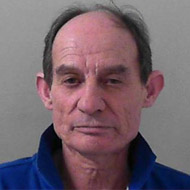
Peter Keniry faked CV to get work as a veterinary surgeon
A bogus ‘vet’ who faked the identity of members of the RCVS to fraudulently practice as a veterinary surgeon has been sentenced to three years in prison.
Peter Keniry was sentenced at Taunton Crown Court on Tuesday (17 October) after admitting a charge of fraud and one of practising as a veterinary surgeon without being registered.
According to the Somerset County Gazette, Mr Keniry admitted faking his CV to get work at a veterinary practice in Taunton. He had stolen the name of a qualified vet to get the job and was employed there for almost two years before his arrest.
Welcoming the news, RCVS register Eleanor Ferguson said: “We believe that Mr Keniry is a threat to animal health and welfare. He is a repeat offender and so we are glad that he has been handed a significant custodial sentence.
“While sophisticated and convincing fraudsters like Mr Keniry can be very difficult to prevent, we would urge veterinary practices to be vigilant. For example, we recommend that potential employers contact our Registration Department to make checks, always interview a potential employee face-to-face, ask to see supporting identity documents, prepare questions which confirm where and when they studied, obtain references and, if they are employed, mentor the new member of staff to oversee their performance.”
Mr Keniry has convictions dating back to 1986 in his native South Africa for fraud and impersonating a veterinary surgeon. In previous years, he has been able to gain employment in small and large animal practice and greyhound racing.
In light of his arrest, members of the public concerned about the legitimacy of their veterinary surgeon or veterinary nurse are being urged to talk to someone else in the practice or contact the RCVS.
"We would like to emphasise that cases such as that of Peter Keniry are, in our experience, extremely rare," Eleanor added. "We don't belive that the unprecedented actions of this one fradulent individual should in any way undermine the confidence and trust that animal owners place in their veterinary team."
Image (C) RCVS


 A nationwide roadshow offering free, personalised parasite risk assessments and flea and tick checks will be visiting popular dog events across the UK.



