


We need to talk about brachycephalics
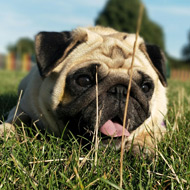
For now, interventions are focused on improving the health of pedigree dogs, particularly brachycephalics, which are surging in popularity.
The growing problem of brachycephalic dogs is a hot topic, and the health issues facing Persian cats and dwarf rabbits also made headlines recently. But they are far from the only animals to undergo selective breeding by humans for the purposes of novelty, curiosity, or beauty.
Speaking at the BVNA Congress this morning (7 October), Sean Wensley highlighted examples such as the reverse-wing pouter pigeon, sphynx cat, bubble-eyed goldfish and various colour morph reptiles. Beautiful and fascinating though they may be, all suffer health issues as a result of selective breeding by humans.
But for now, interventions are focused on improving the health of pedigree dogs, particularly brachycephalics, which are surging in popularity. Pug-related merchandise is, literally, everywhere, but research shows up to around 60 per cent of pugs suffer brachycephalic obstructive airway syndrome (BOAS).
The breed's grunting, snuffling and wheezing are often seen as quirky and endearing. As a consequence, having conversations with clients about the issues surrounding these breeds is never easy. But Sean said the important thing is "not to deflate", and to continue to have these conversations - unpopular though they may be. And it is important that practices support staff in doing so.
The veterinary profession has a dual role in addressing these issues, he continued - that of 'picking up the pieces' when brachycephalics come to the practice for treatment; and also a wider role in society, of using our voices to speak up.
Steps that can be taken include offering consultations and resources to help would-be pet owners to make an informed choice before they buy their puppy. In addition, promoting the use of the puppy contract and health schemes, as well as enrolling in surveillance schemes such as SAVSNET and VetCompass.
It is also important for practices not to 'celebrate' brachycephalics through their social media channels.
A brachycephalic working group was set up last year, encompassing, for the first time, representatives from academia, BVA and BSAVA, the Dogs Trust, RSPCA, Kennel Club and dog breed health co-ordinators.
The aims are: to help existing brachycephalics, to breed healthier dogs, to promote non-brachycephalics, and to bring about a smaller number of owners with brachycephalics, that are better informed to acquire the healthiest examples of the breeds. Sean says this approach could be replicated to help other species.
A key part is to reduce supply and demand by contacting companies who use brachycephalics arbitrarily in their marketing, and the BVA has done so with a number of organisations, including Comic Relief, who used a pug on their t-shirt this year.
Other areas that could effect change are: reviewing the breed standards to consider how far extreme conformation needs to be reversed to ensure good quality of life, and training Kennel Club show judges. Kennel Club breed health and conservation plans for these breeds must also be developed in conjunction with the working group.
However, Sean says further research is needed to determine trends and prevalence, as well as the exact welfare impacts and the extent of influences from social media and celebrities etc. Such information would help to inform breed standard reviews.


 Eligible members of BEVA will be able to vote for their Council team until Monday, 17 August 2026. Members will have received an election email on 17 July.



