


Inspectors visit South Lakes Safari Zoo
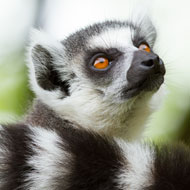
According to the report, ‘there is still considerable contact between lemurs and the public’ during feeding sessions.
The latest inspection of South Lakes Safari Zoo, which came under new management this year, has found some ‘significant progress’ is being made. However, a number of welfare and safety issues remain.
South Lakes zoo, based in Cumbria, faced the threat of closure in March this year after it was revealed nearly 500 of its animals died in four years. Inspection reports showed a range of issues relating to poor management and animal health and welfare issues.
The zoo’s founder David Gill was subsequently refused a licence by Barrow Borough Council. The zoo was taken over by Cumbria Zoo Company Ltd, who were granted a licence in May.
An unannounced inspection took place on 3 August this year to determine whether the zoo was meeting its licensing conditions.
According to the report, ‘there is still considerable contact between lemurs and the public’ during feeding sessions, despite efforts to eliminate the risk of animal bites as far as possible. Whilst it was acknowledged that keepers ‘do a good job’ in teaching the public about safety and requesting they keep the correct level of distance, one lemur was observed climbing into a pram and had to be removed by two keepers.
Another jumped onto a member of the public, while in a third incident, a lemur grabbed a visitor’s hand while trying to get hold of a grape.
In a separate inspection on the same day, an RSPCA inspector said he had seen squirrel monkeys jumping on visitors.
The zoo’s new animal director Andreas Kaufmann assured inspectors that he plans to address these issues and implement changes to ensure lemur feeding sessions are carried out in a safer, more structured manner.
Other issues noted were evidence of rodents near the meerkat enclosure and a kangaroo with an excoriated patch of skin over the left pouch, which was subsequently treated. In addition, the prairie dogs were found to have ‘extended their territory’ and were ‘building holes adjacent to the fence’.
One condition of the zoo’s new licence was to put in place a suitably qualified person to manage it. Mr Kaufmann took up the position in July 2017, but at the time of the inspection he had not signed a contract and his role and level of authority was unclear. This has since been rectified; the report concludes that the condition has now been complied with but notes ‘it is still early days’.
Nonetheless, inspectors said Kaufmann and his team of keepers had made ‘significant progress’ across a number of areas, in a short space of time. This includes a staffing structure that divides the zoo into three zones, with a section head for each. Improvements were also made to the leopard tortoise enclosure, and development plans are being created for zoo development and animal collection.
Barrow Council is due to meet this week (5 October) to decide whether the zoo is complying with its licensing conditions.


 Companies marketing medicines for small pets exempt from authorisation must submit their annual return to the Veterinary Medicines Directorate (VMD) by 30 November 2026.



