


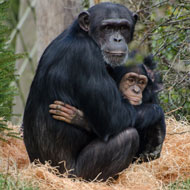
Researchers analyse new welfare assessment grid
The welfare of zoo animals is set to improve following a successful trial on primates and birds.
In the trial, researchers from the University of Surrey assessed a series of monitoring strategies to ensure the health and safety of animals at Marwell Zoo, Winchester, and The Wildfowl and Wetlands Trust, Arundel.
Researchers say the introduction of the practice demonstrates the level of physical and psychological wellbeing of the animals, and the effect of certain interventions. The study has been published in the journal Veterinary Record.
The welfare assessment grid requires daily monitoring of the animals’ psychological wellbeing, physical condition and the quality of its environment. Previously, these factors were not part of the regular health checks that zookeepers were required to assess when undertaking animal welfare audits. In each area, the birds and primates were scored, helping keepers to track their progress and highlight any problems that might arise.
While welfare protection of zoo animals is set out in both domestic and European legislation, monitoring it comprehensively in zoos has proven difficult due to the absence of clear and consistent guidance.
Sarah Wolfensohn, professor of animal welfare at the University of Surrey, commented: “Ensuring a high standard of animal welfare is paramount for any zoo, but it has not always been possible. This innovative system will give zookeepers clear guidance on what they should be looking out for in terms of physical and psychological characteristics in animals, which will help monitor their overall wellbeing.”
She continues: “Zoos are a key part of educating us all about our environment and the animals we share it with across the world, and we all want to know that the animals we do see in zoos are being given the best possible care for their welfare.”


 Companies marketing medicines for small pets exempt from authorisation must submit their annual return to the Veterinary Medicines Directorate (VMD) by 30 November 2026.



