


Scientists explore genetic predisposition to obesity
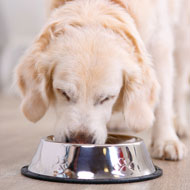
Dr Raffan hopes that future research will improve the satiety of diets, allowing dogs to feel ‘full’ without the potential for excessive weight gain.
Scientists are exploring a gene mutation found in Labradors that is responsible for increasing their appetites. It is hoped further research will help to improve the satiety of their diets.
Ongoing work in this area was discussed at the British Science Association Festival in Brighton, BBC News reports.
Researchers from the University of Cambridge analysed DNA from the saliva of Labradors across the UK and found that particularly ‘greedy’ animals had a gene mutation that increases appetite. A quarter of pet Labradors were found to have at least one copy of this mutation in the gene.
Dr Eleanor Raffan, who led the research team, cautioned against attempts to ‘breed out’ this mutation. Speaking to BBC News, she warns that although the mutation may predispose dogs to obesity, it could also explain why they are so easy to train.
“If we try to get rid of the mutation, we might find we change the personality of the breed, and that would be a real shame,” she said.
Dr Raffan hopes that future research will improve the satiety of diets, allowing dogs to feel ‘full’ without the potential for excessive weight gain.
Elsewhere, scientists at the University of Liverpool are using state-of-the-art imaging technology to study diseases that affect the knee joints in Labradors.
Canine cruciate ligament damage is the most common orthopaedic problem seen in veterinary practices and such injuries are more common in overweight dogs.
Researchers are using high speed x-ray cameras to film Labrador patients walking in the laboratory, watching their knee bone movements in real-time. They are aiming to improve understanding of how walking contributes to the breed’s risk of ligament injury and rupture.
“This data will help veterinary surgeons and engineers design better treatments for ligament damage in Labradors, like customised knee implants,” Dr Karl Bates from the University of Liverpool is quoted by the BBC as saying.
Scientists also hope to challenge public perceptions of ‘desirable’ traits in dogs.
Dr Raffan adds: “There is a real risk when we breed dogs to be cuddlier and cuter. I think people have seen so many overweight Labradors, they start to assume it’s normal.”


 Eligible members of BEVA will be able to vote for their Council team until Monday, 17 August 2026. Members will have received an election email on 17 July.



