


Defra consultation on new chicken welfare statutory code
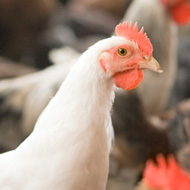
The new statutory code aims to provide up-to-date guidance on the welfare of meat chickens
Defra has opened a period of consultation on a new statutory Code of Practice for the Welfare of Meat Chickens and Meat Breeding Chickens, for England.
The purpose of the existing statutory code is to provide owners and keepers of meat chickens and meat breeding chickens with guidance on how to comply with relevant welfare legislation. It has not been updated since it was published in 2002 and does not fully reflect the additional rules relating to the welfare of conventionally reared meat chickens, which came into force in 2010.
Guidance on these requirements was published in 2011 in a separate document entitled, Interim guidance for keepers of conventionally reared meat chickens in relation to the Welfare of Farmed Animals (England) Regulations 2007 as amended by the Welfare of Farmed Animals (England) (Amendment) Regulations 2010.
The proposal is to revoke the existing statutory Code of Recommendations for the Welfare of Livestock: Meat Chickens and Breeding Chickens (2002) and to replace both it – and the interim guidance – with a new statutory code, which is provided in draft as part of the consultation documentation.
The new statutory code aims to provide up-to-date guidance on the current legislation; to maintain animal welfare standards; to reflect the latest scientific and veterinary knowledge; and be presented in a clear and relevant way for farmers.
The consultation, which began on 11 August and closes on 6 October, invites comments on whether – and how well – the draft statutory code published with this consultation document achieves these aims.
The consultation survey is available online. Alternatively, if you wish to respond by other means, contact animalwelfare.consultations@defra.gsi.gov.uk.


 Companies marketing medicines for small pets exempt from authorisation must submit their annual return to the Veterinary Medicines Directorate (VMD) by 30 November 2026.



