


Census to investigate nation’s hedgehog homes
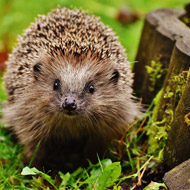
Intensive farming, loss of hedgerows and tidy, fenced-in gardens are just some of the threats facing Britain’s native hedgehogs.
The first ever national Hedgehog Housing Census has been launched to help fight the ongoing decline in native hedgehog population numbers.
Organised by Hedgehog Street, a nationwide campaign set up by the British Hedgehog Preservation Society (BHPS) and the People’s Trust for Endangered Species (PTES), the Census will delve deeper into the world of hedgehogs.
Between now and October 31, it aims to answer several questions about how hedgehogs live, particularly their use of artificial hedgehog houses, which until now, have not been studied.
The data will be gathered via an online survey and will be analysed by scientists at the University of Reading. The results will help the Hedgehog Street team find out about what the best type of hedgehog house is and how they can be used to support hedgehog conservation.
Emily Wilson, hedgehog officer for Hedgehog Street, explains: “We know thousands of people across the UK have hedgehog houses in their gardens, but what we don’t know is whether they actually benefit hedgehogs. No one has conducted this type of research before, so our results will help inform current advice on how best to use a hedgehog house.
“Through the Hedgehog Housing Census, we will investigate the nation’s hedgehog homes, to find out what works best for hedgehogs, which in turn will help our ongoing conservation work.”
Intensive farming, loss of hedgerows and tidy, fenced-in gardens are just some of the threats facing Britain’s native hedgehogs. According to the State of Britain’s Hedgehogs report 2015, it is thought that populations have declined by up to a third in urban areas, and by at least half in rural areas since 2000.
Emily concludes: “There are lots of ways people can help hedgehogs, but in addition to making a small hole in your fence, providing the correct food and drink, and keeping areas of your garden untidy, if you are lucky enough to see hedgehogs in your garden, you can further help these endangered creatures by having the right accommodation on hand ready for them when they need it.”
The data will be analysed over the winter months, with the results due to be published in spring 2018. To take part in the Census, visit hedgehog street.org/housingcensus.


 Companies marketing medicines for small pets exempt from authorisation must submit their annual return to the Veterinary Medicines Directorate (VMD) by 30 November 2026.



