


£5.5m funding for Africa’s livestock
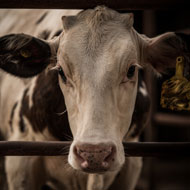
An initial programme aims to reduce death rates and reproductive losses in dairy cattle.
A multi-million pound initiative is underway to improve the health and productivity of farmed animals in sub-Saharan Africa.
Eight experts have been recruited to drive the Supporting Evidence Based Interventions (SEBI) initiative, which is based at the University of Edinburgh’s Royal (Dick) School of Veterinary Studies.
The £5.5 million project aims to boost the livelihoods of livestock farmers using evidence-based technologies that offer sustainable solutions to their challenges.
An initial programme aims to reduce death rates and reproductive losses in dairy cattle in Ethiopia, Nigeria and Tanzania. Sub-grants will help research groups to explore the causes of these losses. The University of Glasgow has received the first of these grants to build a disease surveillance platform in Tanzania.
A second programme will facilitate data gathering and the development of tools to better track livestock performance. An international network of practitioners, the Livestock Data for Decisions (LD4D) community to standardise data management across borders.
Finally, a third strand of the initiative will fund researchers to evaluate veterinary interventions for their use in developing countries. The University of Guelph has been granted £125,000 to fund field trials of a hand-held device that can detect animal diseases. Using this portable sensor, dairy farmers can quickly diagnose diseases in cows from a small amount of blood or milk.


 Companies marketing medicines for small pets exempt from authorisation must submit their annual return to the Veterinary Medicines Directorate (VMD) by 30 November 2026.



