


Scotland achieves BSE safe level
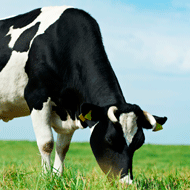
The World Health Organisation (OIE) now recognises Scotland as having a BSE negligible status.
Scotland has achieved the lowest risk level status available for Bovine Spongiform Encephalopathy (BSE).
According to the Scottish government, the World Health Organisation (OIE) now recognises Scotland as having a BSE negligible status. Wales and England continue to be recognised as having controlled risk status.
Rural Secretary Fergus Ewing said: “This is a landmark day for our red meat sector, with Scotland achieving the lowest possible risk status for BSE – negligible risk.
“This is reward for years of hard work from the Scottish Association of Meat Wholesalers, producers, our red meat businesses, vets, and this government all of whom have worked tirelessly to build a failsafe system which protects our animal and public health.”
BVA Scottish Branch president Melissa Donald said that the OIE’s recognition of Scotland’s BSE Negligible Risk level ‘is a great success’.
“We echo the Cabinet Secretary in saying this status is a just reward for the ongoing efforts of the veterinary profession, farmers, government and industry in the application of BSE controls over the years,” she said.
“BVA supported BSE Negligible Risk status in our response to the Scottish Government consultation, yet we also emphasised the need for the robust following of import tracings and the continued need for surveillance of suspicious cases.”
She continued: While there will be continued need for controls and surveillance, this is excellent news for the Scottish agri-food industry and rural economy as new markets are sought for our produce.”


 Companies marketing medicines for small pets exempt from authorisation must submit their annual return to the Veterinary Medicines Directorate (VMD) by 30 November 2026.



