


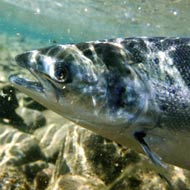
Clynav will protect salmon against serious infectious disease
The first veterinary DNA vaccine to protect Atlantic salmon against Salmon Pancreas Disease (SPD) had been authorised across the European Union.
SPD is a serious infectious disease which causes damage to the heart, pancreas and skeletal muscle, leading to death in some cases. The disease has become established in some Member States and outbreaks cause significant loses in salmon farms.
DNA vaccines consist of a genetic sequence that triggers the production of proteins in the cells of the vaccinated animal. These proteins stimulate a protective immune response, thereby preventing or reducing the impact of the disease should the animal be exposed to the virus.
Clynav, marketed by Elanco Europe Ltd, is the first DNA vaccine to be recommended for marketing authorisation in the EU.
Following a series of successful trials, the EMA’s Committee for Veterinary Medical Products (CVMP) considered that the protection provided by the vaccination is clinically relevant and provides direct benefit to the salmon in terms of improved health and welfare.
The CVMP was also satisfied that any potential risk to the environment from use of the product in salmon was negligible. Furthermore, because residues degrade fast in the gastrointestinal tract, the committee concluded that vaccinated salmon are safe to eat.
The Veterinary Medicines Directorate, who steered the authorisation ‘through challenging regulatory hurdles,’ said that the vaccine ‘has the potential to herald a new ear of novel vaccines to protect animals against disease’.
It added that a full summary of Product Characteristics will soon be available through the EMA website and the VMD’s Product Information Database.


 Companies marketing medicines for small pets exempt from authorisation must submit their annual return to the Veterinary Medicines Directorate (VMD) by 30 November 2026.



