


Study shows neonicotinoids can harm bees
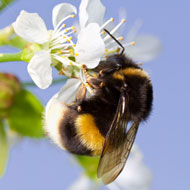
Researchers exposed bees to winter-sown oilseed rape that had been treated with two different neonicotinoids.
The largest study so far on neonicotinoid pesticides has concluded that they do cause harm to some species of bee.
Published in Science, the study found that neonicotinoids reduce the capacity of honeybees and wild bees to establish new populations in the year following exposure.
The effects of the pesticides were assessed across Hungary, Germany and the United Kingdom.
Speaking to BBC News, study author Professor Richard Pywell stated that the findings are cause for serious concern.
"We've shown for the first time negative effects of neonicotinoid-coated seed dressings on honeybees and we've also shown similar negative effects on wild bees,” he said.
"This is important because many crops globally are insect pollinated and without pollinators, we would struggle to produce some foods."
In the study, researchers exposed bees to winter-sown oilseed rape that had been treated with two different neonicotinoids - clothianidin and thiamethoxam - in addition to untreated oilseed rape.
For honeybees, the researchers found both negative and positive effects during crop flowering. In Hungary, negative effects on honey bees persisted over winter and resulted in smaller colonies the following spring. In wild bees, reproduction was negatively correlated with neonicotinoid residues.
Neonicotinoid producer Bayer, which part-funded the study, said in a press release that the findings were ‘inclusive’ and that it remained convinced that neonicotinoids have no short or long-term negative effect on bees.
Dr Richard Schmuck, director of environmental science at Bayer said: “We do not share the CEH’s interpretation that adverse effects of the seed treatments can be concluded from this study, and remain confident that neonicotinoids are safe when used and applied responsibly.”


 Companies marketing medicines for small pets exempt from authorisation must submit their annual return to the Veterinary Medicines Directorate (VMD) by 30 November 2026.



