


Met Police seize over three dogs a day
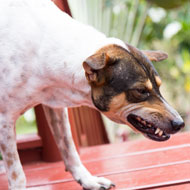
The majority of seized dogs were banned breeds or deemed to be behaving dangerously in public.
Some 1,103 dogs were seized by the Metropolitan Police in 2016, amounting to more than three every day, new research has found. The majority were banned breeds or deemed to be behaving dangerously in public.
The findings, published by Direct Line Pet Insurance, show that Lewisham was the London Borough with most dogs seizures (88 per cent) followed by Wandsworth (82 per cent) and Enfield (79 per cent).
Overall, the number of dogs seized in London in 2016 was up 13 per cent on the previous year, driven by a sharp increase in the seizure of dangerous animals. The number of banned breeds seized, however, decreased by 10 per cent during the same period.
Prit Powar, head of pet insurance at Direct Line commented: “The subject of banned breeds and dog seizures is never straightforward; identifying what constitutes a banned breed can be extremely subjective based on the appearance of an animal.
“Organisations such as the police, animal charities and councils are doing a great job in taking dangerous dogs off our streets. The drop in seizures of illegal dog breeds over the last year is testament to the rigorous work being done across the country to protect owners and pets alike.”
He added that the law is in place to protect citizens and urged anyone concerned about a dangerous or banned dog living in their area to contact the police.
He adds: “If a dog owner has their pet attacked by another canine they should be able to claim for treatment on their pet insurance policy and the insurer may even take action against the other dog owner on their behalf.”


 Eligible members of BEVA will be able to vote for their Council team until Monday, 17 August 2026. Members will have received an election email on 17 July.



