


Hen harriers in decline, survey shows
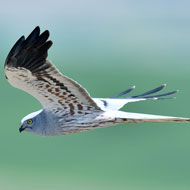
Previous research suggests the main factor limiting the population is illegal killings associated with drive grouse moor management.
The UK’s hen harrier population has fallen by 13 per cent since 2010, according to a new survey, prompting concerns that the species could become extinct in parts of the country.
Figures from the fifth hen harrier survey show there were 545 pairs in the UK last year, a decline of 88 pairs since the previous survey. Long-term, their numbers have fallen by 204 pairs (39 per cent) since a national survey in 2004.
As a breeding species, it remains on the brink of extinction in England, with just four pairs last year, down from 12 pairs in 2010. But there is potential habitat for 300 hen harrier pairs in England, according to estimates from the Joint Nature Conservation Committee.
Scotland remains the stronghold for hen harriers, with around 460 pairs - around 80 per cent of the UK population. However, this figure is nine per cent below the best estimate of 505 pairs in 2010. Orkney and the Hebrides were the only areas of the country to show a slight increase in hen harrier numbers.
Hen harrier populations in Wales had been recovering slowly, but the number of pairs fell by over a third in the past six years - from 57 to 35 - which is the lowest population seen in Wales for over a decade. Northern Ireland also saw a decline in pairs from 59 to 46.
The RSPB says there are likely to be a number of reasons for the decline, varying from region to region. Previous research suggests the main factor limiting the population is illegal killings associated with drive grouse moor management in northern England and parts of mainland Scotland. Other factors include cold, wet weather over a number of breeding seasons, changes in habitat management and low prey abundance.
RSPB conservation director Martin Harper said: “The latest figures back up a continued trend that we have seen for more than a decade – hen harrier numbers are on the decline throughout the UK. The illegal killing of this bird of prey is a significant factor behind the diminishing numbers and a large barrier stopping their recovery.
“Without purposeful action from all, including governments across the UK and the shooting industry, we may see hen harriers once again lost from more parts of the country.”


 Companies marketing medicines for small pets exempt from authorisation must submit their annual return to the Veterinary Medicines Directorate (VMD) by 30 November 2026.



