


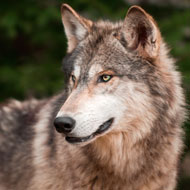
Data shows fewer wolves than previously estimated
Wolf populations in Finland have fallen 25 per cent in the past year, according to new figures.
Data published by the Natural Resources Institute Finland reveals there were an estimated 150-180 wolves at the beginning of March 2017. In March 2016, this figure was estimated to be between 200-300 individuals.
Members of the Wolf Action Group say this figure falls well below the 800 required to sustain a healthy degree of genetic diversity.
Under EU rules the wolf is classified as a highly endangered species. But in Finland, conservation groups say that efforts have failed.
In January, the government approved a hunt to kill 20 per cent of the country’s wolf stock in a bid to curb poaching and manage numbers. But conservationists claim that culling worsens the animals’ prospects by killing pack leaders, family groups and dispersing packs.
The Wolf Action Group state that the most important measure in wolf conservation is keeping existing wolf packs together. ‘Only in a coherent pack can wolves hunt their natural prey, such as elk and deer, they write.
Thanks to their protected status, wolf populations in Europe are now on the rise. According to the IUCN Red List, the number of wolves in Europe is likely to exceed 10,000.
But as wolf populations have risen, they have increased their range and moved into urban areas. This has led to calls for increased management of populations, including culls.


 Companies marketing medicines for small pets exempt from authorisation must submit their annual return to the Veterinary Medicines Directorate (VMD) by 30 November 2026.



