


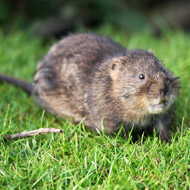
Project to release 700 voles in Kielder Forest
Conservationists are undertaking the UK’s largest ever reintroduction of water voles, with 700 of the endangered mammals set to be released into Kielder Forest, Northumberland.
The Kielder Water Vole Partnership will release 325 water voles in Kielder Forest this week following a 30-year absence. Another 350 voles are due to be released in August.
The water vole, known as ‘Ratty’ in the classic children’s book Wind in the Willows, was once a common sight among our ditches, rivers and streams but severe declines have been seen since the 1960s. Threats to the species include habitat declines, waterway pollution, agricultural industrialisation, housing development and predation by the American mink, which escaped from fur farms.
It is believed that 94 per cent of water voles disappeared from areas where they were once common.
However, much has been done by the Forestry Commission to improve water vole habitat across Kielder Forest, which is a vast area of 650 square kilometres. After felling, open areas next to water have been left, giving bank-sides more light and allowing a wider variety of plants to grow.
Conservationists hope to restore populations with a view to their eventual spread throughout western parts of Northumberland.
Kelly Hollings, from Northumberland Wildlife Trust’s Restoring Ratty project, said: “Water voles belong here and are an essential element of our wild and watery places. It’s terribly sad to have witnessed such huge declines of this lovely mammal in my lifetime. We’re doing everything we can to help bring them back and we’re so grateful to all those who are supporting our work.”
The trust’s chief executive Mike Pratt, added: “This is a historic day for everyone involved and it’s a good moment to reflect on the fantastic efforts and great work being done by volunteers and the Restoring Ratty partners to bring back this much-loved mammal. We’re improving habitats on our own nature reserves and working alongside a number of organisations and land owners to bring back water voles right across the county.”


 Companies marketing medicines for small pets exempt from authorisation must submit their annual return to the Veterinary Medicines Directorate (VMD) by 30 November 2026.



