


Study identifies global hotspots for alien species
The UK has more established alien plants and animals than many other global regions.
Durham researchers have identified the global hotspots with the highest numbers of established alien species.
An international team, led by the University of Durham, analysed existing data on amphibians, ants, birds, freshwater fish, mammals, reptiles, spiders and vascular plants.
They established hotspots of alien species mostly in island and coastal mainland regions.
The top three hotspots with the highest numbers of alien species were the Hawaiian Islands, New Zealand’s North Island and the Lesser Sunda Islands, Indonesia.
The Hawaiian Islands have the largest number of alien species, including guppies among fish and feral pigs among mammals.
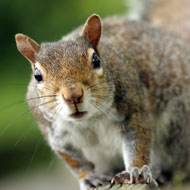
The study also found that, while not in the top three regions, the UK has more established alien plants and animals than many other global regions. These include the Indian rose-ringed parakeet and mammals such as the grey squirrel.
“Our research shows that islands and mainland coastal regions contain higher numbers of established alien plants and animals, and this may be because these areas have major points of entry like ports,” commented Dr Wayne Dawson, assistant professor in the Department of Biosciences.
“In general, regions that are wealthier, and where human populations are denser also have more alien species, but these effects are stronger for islands.”
He continued: “More work is needed to understand whether these effects arise because more species are introduced to hotspot regions, or because human disturbance in these regions makes it easier for the newcomers to find vacant spaces and opportunities to thrive.”


 Companies marketing medicines for small pets exempt from authorisation must submit their annual return to the Veterinary Medicines Directorate (VMD) by 30 November 2026.



