


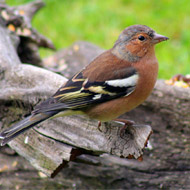
Study suggests conservation focus may need to be reconsidered
Late-nesting bird and bumblebee species are suffering more from the destruction of habitats, according to research by the University of Exeter.
With dwindling areas for birds and bumblebees to nest, such as hedgerows and hay fields, fewer nest sites are available, leading to increased competition.
The study found that late-nesting species - In April or May rather than February or March - are declining more than other species, with the larger birds and bumblebees worst affected.
Researchers say their findings offer insights into why so many closely-related species, such the chaffinch and the goldfinch, are struggling.
“The effects of habitat destruction are complicated, but we must understand them if we are going to save threatened species,” said Dr Andrew Higginson of the University of Exeter. “The loss of nest sites due to damage to the environment is an important cause of species extinctions.
“Ecologists understand why some groups of species are declining more, such as why farmland species are declining more than woodland species. But an enduring mystery is the big variation in the declines of closely related species.
“Fighting over nest sites may be part of reason – when nest sites are hard to come by, the species that will suffer most are those that nest later in the year.”
Dr Higginson adds that the study suggests that conservation focus may need to be reconsidered.
"So far, conservationists have focussed on providing enough food for animals such as birds and bees, such as the important bee-friendly flowers in gardens,” he said. “These results suggest that to save rare species we need more focus on making sure that they have enough places to nest.”
He added: “To save bumblebees, people could let part of their garden grow wild between early spring and late summer.”
Image (C) John Haslam


 Companies marketing medicines for small pets exempt from authorisation must submit their annual return to the Veterinary Medicines Directorate (VMD) by 30 November 2026.



