


Beavers stem flooding and boost wildlife, report shows
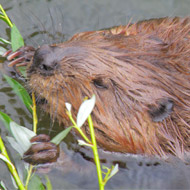
The latest results give strong evidence for the role beavers might play in reducing flooding.
Beavers prevent floods, improve water quality and boost wildlife, according to initial findings from the Devon Beaver Projects.
Led by Professor Richard Brazier, a hydrologist at the University of Exeter, the projects are looking into the effect that beavers have on the water resources of the River Otter, with a view to them being re-introduced to England.
The ongoing research being carried out in the Enclosed Beaver Project in West Devon is now being extended and applied to free-living beavers that form part of the trail in East Devon.
Published by Devon Wildlife Trust, the latest results give strong evidence for the role beavers might play in reducing flooding. The report states that, since their introduction to the site, the beavers have constructed 12 dams, holding up to one million litres of additional water within ponds.
During storms, peak flows were on average 30 per cent lower leaving the site than entering. Even in saturated conditions, the water was stemmed thanks to the hydraulic roughness of the dams, felled trees and the leaky nature of the dams.
The results also show that dams can improve water quality by filtering run-off-soil from farms and preventing pollution downstream.
"Farmers should be happy that beavers are solving some of the problems that intensive farming creates,” Professor Brazier told BBC News. "If we bring beavers back it's just one tool we need to solve Britain's crisis of soil loss and diffuse agricultural pollution of waterways, but it's a useful tool."
The report also states that beavers create the ideal for a host of aquatic species, including water beetles. During the trial, the number of recorded species of water beetle in the river rose from eight to 26.
The researchers noted a dramatic increase in the common frog population which, in turn, has also encouraged the arrival of grass snakes and herons.


 Companies marketing medicines for small pets exempt from authorisation must submit their annual return to the Veterinary Medicines Directorate (VMD) by 30 November 2026.



