


Scientists evaluate risk of disease ‘spilling’ among species
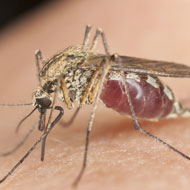
Scientists at The Pirbright Institute, UK have conducted a major study of mosquito blood feeding habits. The study- led by Dr Victor Brugman, as part of a PhD project- aimed to establish the risk of an outbreak of vector-borne diseases in birds and mammals, within the UK.
The research took place in a wetland area of the Thames Valley; a common habitat for both native and migratory birds. The team used special traps to collect and analyse around 21,000 mosquitoes. The traps were specially designed to offer refuge to female mosquitoes that had recently fed; male mosquitoes do not bite so were not a focus of the study.
Scientists gathered 11 different species, sequencing the DNA of 964 specimens that contained remains of their last blood meal in their bodies. This DNA was then compared with sequences taken from UK wildlife; information accessible on global databases.
The findings showed that different species displayed different feeding habits. For example, Anopheles maculipennis fed on birds, as well as cattle, sheep and rabbits. Whereas Culex pipiens and Culex modestus fed solely on bird species. There is now a concern, raised by the discovery, that viruses may ‘spill’ over into new species, including humans.
Dr. Brugman said: “This study is important because of factors such as environmental change and the potential for exotic mosquitoes to reach the UK, which means that diseases previously restricted to more tropical climates are emerging in regions traditionally considered temperate.
“The data we have gathered from this research is crucial in helping us understand the potential of disease threats and how we can best protect the UK’s wildlife, livestock and our human population in the future.”
Head of vector-borne diseases research at Pirbright, Dr. Simon Carpenter, commented: “An interesting aspect of this study was the sheer range of birds that the mosquitoes fed on - from herons and owls to sparrows and chickens. While mosquitoes in the UK are only thought of as a biting irritant in summer, this study has shown there are also complex relationships across UK wildlife which may have consequences for virus transmission.”


 Companies marketing medicines for small pets exempt from authorisation must submit their annual return to the Veterinary Medicines Directorate (VMD) by 30 November 2026.



