


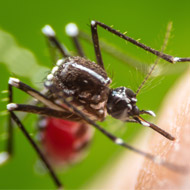
Research will enable scientists to eliminate females
New research on sex determination in mosquitoes could have a ‘game-changing impact’ on the control of these pests and other insects, according to scientists at The Pirbright Institute.
It is only female mosquitoes that bite and transmit pathogens that cause disease. As such, scientists believe that the manipulation of the sex determination pathway genes, leading to the elimination of females, could have a profound effect on new approaches to mosquito control.
In a recent study, researchers from the Pirbright Institute identified a male-specific gene in a mosquito that transmits malaria. The gene, named Yob, is necessary for the development of males, but lethal to females if incorrectly activated.
In a new study, researchers will expose the molecules which, besides Yob, are involved in the regulation of early development in both male and female mosquitoes.
Lead researcher Dr Jaroslaw Krzywinski commented: “Better understanding of the components of the pathway is instrumental to the creation of new genetic approaches to controlling mosquito-borne diseases. It will enable us to implement genetic modification technology to cause female lethality or, potentially the reversal of genetic females into males; producing male-only mosquito generations.
“The outputs of this study will also enable identification of the sex determination genes in other insect pests such as Aedes and Culex mosquitoes and will stimulate new avenues of research on their genetic control.”


 Companies marketing medicines for small pets exempt from authorisation must submit their annual return to the Veterinary Medicines Directorate (VMD) by 30 November 2026.



