


EU aid to benefit worm control scheme
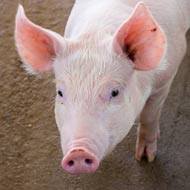
Part of the funding is being used for the Pig Industry Competitiveness Scheme, which aims to improve the quality of local pig meat.
Funding from an EU aid scheme will be used to help pig producers in Northern Ireland to take part in a worm control programme, the Department of Agriculture, Environment and Rural Affairs (DAERA) has said.
The EU Exceptional Adjustment Aid (EAA) package will provide £4 million to support local livestock farmers. It was announced in November last year and is being used to fund four schemes, aiming to: incentivise the humane removal of BVD infected animals; improve pig meat quality; help farmers manage soils and nutrients more effectively; and training in business planning and risk assessment.
Part of the funding is being used for the Pig Industry Competitiveness Scheme, which aims to improve the quality of local pig meat, and will cover the cost of in-feed medication for pig herds and the blanket treatment of sows. It will also cover the cost of medication acquired from a veterinary practitioner, for the individual treatment of sows prior to farrowing.
To be eligible for the scheme, pig producers must:
- Have a Category 1 or Category 2 DAERA Farm Business Identification Number;
- Have a representative of the farm business attend a Farm Family Key Skills pig health training course on worm control, through the College of Agriculture, Food and Rural Enterprise (CAFRE); and
- Obtain written confirmation from their vet that, in their professional opinion, there are, or have been in the last six months, pig endoparasites present in the herd.
Funding will apply only to medication purchased after the farmer has been accepted onto the scheme. The expected closing date for applications is 31 May, 2017.


 Companies marketing medicines for small pets exempt from authorisation must submit their annual return to the Veterinary Medicines Directorate (VMD) by 30 November 2026.



