


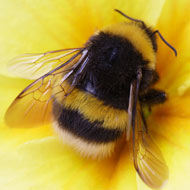
Thiamethoxam also found to affect feeding behaviour
Wild bumblebee queens are less able to develop their ovaries when exposed to a common neonicotinoid pesticide, new research has found.
Writing in the journal Proceedings of the Royal Society B, researchers describe an investigation into the impact of exposure to field-realistic levels of thiamethoxam.
Conducted by a team at the Royal Holloway University of London, the study looked at the feeding behaviour and ovary development of four species of bumblebee queen.
“We consistently found that neonicotinoid exposure, at levels mimicking exposure that queens could experience in agricultural landscapes, resulted in reduced ovary development in queens of all four species we tested,” said lead author Dr Gemma Baron.
“Impacts of neonicotinoid exposure on feeding behaviour were species-specific, with two out of four species eating less artificial nectar when exposed to the pesticide. These impacts are likely to reduce the success of bumblebee queens in the spring, with knock-on effects for bee populations later in the year".
The study is the first of its kind to analyse the impacts of these chemicals across multiple bumblebee species. Previously, scientists have focused on a single bumblebee species and assessed impacts in workers and established colonies.
Thiamethoxam is a synthetic pesticide that is currently under an EU moratorium, together with two other neonicotinoids.
"The EU and other countries are weighing the benefits of using neonicotinoids to protect crops, against real concerns about how such pesticides can cause unintended harm to pollinators and other beneficial insects,” explained co-author Professor Raine. “This work on wild bumblebee queens adds significantly to the evidence base on which to make such important policy decisions”.
The researchers add that their work provides a ‘major step forward’ in understanding the impacts of neonicotinoids on wild bees.
“Future studies across different species are likely to demonstrate further variation in the impact of neonicotinoids,” they conclude. “Conducting such studies needs to be a priority for scientists and governments”.


 Companies marketing medicines for small pets exempt from authorisation must submit their annual return to the Veterinary Medicines Directorate (VMD) by 30 November 2026.



