


VMD highlights concerns about needle stick injuries
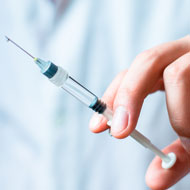
Needle stick injuries continue to be seen in those who administer medicines to large and small animals.
The Veterinary Medicines Directorate (VMD) has highlighted concerns about needle stick injuries, and dogs ingesting medicines meant for large animals, in its latest pharmacovigilance report.
In 2015 the VMD received 5,674 reports of adverse events in animals, humans and the environment, following the use of veterinary medicines. This represents a slight decrease from the previous year. While there was a fall in the number of reports for food-producing animals, pet animal reports increased in number.
The majority of reports were spontaneous (5,638), arising from the everyday use of veterinary medicines. There were 5,512 reports relating to animals, 124 to humans and two involving the environment. Most occurred in animals either during or after the use of authorised veterinary or human medicines, and many reports involved a combination of products.
Out of the 124 human events, 19 were veterinary surgeons; six were other health professionals, usually veterinary nurses; 21 were animal tenders, mostly farm workers; and 78 were pet or large animal owners, or others who came into contact with their animals.
Needle stick injuries continue to be seen in those who administer medicines to large and small animals. Of particular concern, the VMD noted, are events involving vaccines with mineral oil adjuvant. Often, reports fail to show that the affected person has received prompt and correct treatment, either because they are unaware of the need for swift treatment, or because they did not take the packaging with them when they sought help.
Similarly, events involving injectable tilmicosin were often dismissed as “just a scratch”. If these products are used, the veterinary surgeon must be fully aware of the the warnings contained in product leaflets, the VMD said.
The report also raises concerns about dogs ingesting anything found on the ground near to where large animals are treated and kept. In 2015 several dogs died after chewing regurgitated monensin cattle boli. Several others were affected after eating horse dung that may have contained residues of parasiticide medication, or chewing discarded dosing syringes.
Many of the adverse event reports involving horses related to the use of euthanasia products that did not perform as expected. An alternative means of euthanasia must always be available to ensure the welfare of the animal and the safety of people in the vicinity, VMD said.
The full report can be found here: https://www.gov.uk/government/news/veterinary-medicines-pharmacovigilance-annual-review-2015-summary


 Companies marketing medicines for small pets exempt from authorisation must submit their annual return to the Veterinary Medicines Directorate (VMD) by 30 November 2026.



