


Komodo dragon blood shows promising antimicrobial properties
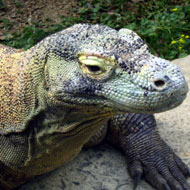
Komodo dragons eat the decaying flesh of dead animals and live in bacteria-rich environments.
A novel way to kill antibiotic-resistant bacteria, inspired by the germ-fighting abilities of Komodo dragons, has been created by scientists in the US.
According to research published in the journal NPJ Biofilms and Microbiomes, the method kills antibiotic resistant bacteria whilst spurring the body’s cells to heal cuts faster.
The work is the result of a $7.57 million government contract to discover new bacterial infection-defeating compounds in the blood of Komodo dragons and crocodiles.
These reptiles eat the decaying flesh of dead animals and live in bacteria-rich environments, suggesting they have strong natural immunity.
“Synthetic germ-fighting peptides are a new approach to potentially defeat bacteria that have grown resistant to conventional antibiotics,” said microbiologist Monique van Hoek from George Mason University, Virginia.
“The antimicrobial peptides we’re tapping into represents millions of years of evolution in protecting immune systems from dangerous infections.”
The research is initially designed to help soldiers heal faster and protect them from biological weapons. Eventually, it could also be available in bandages sold in drug stores to help heal more mundane cuts and scrapes.
In the study, scientists analysed hundreds of peptides in the blood of a single Komodo dragon and discovered one that showed a promising combination of antimicrobial and anti-biofilm properties.
The researchers rearranged the peptide’s amino acids to create a modified, synthetic version. Named “DRAGN-1” in honour of the Komodo dragon, the peptide is the first Komodo-inspired peptide the team created in the lab from this research.
“The synthesised peptide DRGN-1 is not a Komodo dragon’s natural peptide,” Van Hoek said. “it’s been already to be stronger in terms of both potency and stability.”
The peptide is able to attack the sticky biofilm that protects the bacteria and helps them grow in wounds. After breaking down the biofilm barrier, the synthetic peptide kills the bacteria whilst simultaneously stimulating the patient’s cells to heal the wound.
“The next steps for DRGN-1 are to develop it into wound-healing products for veterinary medicine before moving to products designed for humans,” the researchers said.


 Companies marketing medicines for small pets exempt from authorisation must submit their annual return to the Veterinary Medicines Directorate (VMD) by 30 November 2026.



