


Brexit threats and opportunities
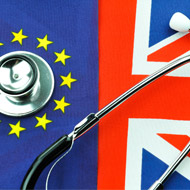
Over 30% of practising vets are from EU, non-UK, countries – the figure is around 90% of veterinary surgeons working in meat hygiene.
In an 'early bird' presentation at the BSAVA Congress, Chris Tufnell, the RCVS president and Gudrun Ravetz, president of the BVA, offered both a conciliatory and optimistic tone to the Brexit debate.
At the outset Chris said, "It is very important that we have a united voice as a profession." He reassured delegates – many of whom were from EU countries – that the RCVS and the BVA are working in close harmony to maintain a high profile of the veterinary profession in parliamentary circles. "We may be a small profession but we have a big impact!", he affirmed.
Over 30% of practising vets are from EU, non-UK, countries – the figure is around 90% of veterinary surgeons working in meat hygiene. Chris pointed out that, in reality, he knew no more than anyone else what effect the final outcome of Brexit would have on the status of overseas vets currently working in the UK. However, he wanted to offer reassurances that the RCVS and the BVA were determined – at the very least – to maintain the status quo.
The major principle underpinning the RCVS approach is that "vital veterinary work continues". To this he added subsidiary principles including:
• those veterinary surgeons who are currently working here should stay;
• those from outside the UK and trained should be able to stay;
• if there is a fall off in the numbers of non-UK vets working in this country, then there will be a need to increase the training of homegrown vets and ensuring their retention in practice.
There is also a need to refrain from "turf wars" within the veterinary practice team. It is time to delegate tasks that can be done just as well as – or better than – vets, to those members of the practice team who have the appropriate skills. This is particularly the case with registered veterinary nurses.
The final principle is the maintenance of existing standards of animal welfare and the regulation of the training of those professionals responsible for it.
Concluding, Chris told delegates that the RCVS "is a global force for good" and is investigating methods of sharing the College's initiative across the world and doubling its membership.
From her perspective, Gudrun said that the first call as far as the BVA is concerned is assurance and reassurance for EU vets and VNs employed in the UK and vets and students working abroad.
All of the health and welfare of production animals and companion animals in the UK is underpinned by the veterinary profession. There are £multi-billion financial implications to this involvement.
Gudrun explained that the veterinary profession provides an evidence-based, credible scientific voice in Parliament. "We may be a small profession, but we punch way above our weight." She described eight areas on which the BVA is developing proposals to be published in a report to the association's Council on 19 April. These broad areas are the veterinary workforce, animal health, animal welfare, food and hygiene safety, veterinary medicines, R & D, trade, and devolution with special emphasis on Northern Ireland.
At the end of the session, there were questions from the floor on the subjects of:
• the consequences of Brexit on the PETS travel scheme
• provision of additional help from the BVA and RCVS in the obtaining of visas
• inclusion of vets on the 'shortage of occupation' listing
• the necessity for the RCVS to look at why UK graduates do not enter certain sectors of the veterinary profession and whether their training is appropriate for these areas
• the better co-ordination of the expectations of school children and the selection of veterinary students.


 Companies marketing medicines for small pets exempt from authorisation must submit their annual return to the Veterinary Medicines Directorate (VMD) by 30 November 2026.



