


Major breakthrough in TB diagnosis
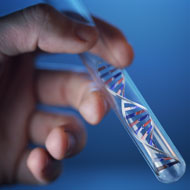
Scientists used genome techonology to isolate different strains of TB.
Researchers in the UK have made a world-first breakthrough in the diagnosis of tuberculosis (TB).
According to BBC News, scientists at the Universities of Oxford and Birmingham have managed to isolate different strains of the disease using genome sequencing.
This means that patients will receive a diagnosis much faster, instead of waiting months for treatment.
Health secretary Jeremy Hunt said that the breakthrough "will save lives".
While incidents of TB in the UK have fallen in recent years, there are still some 6,000 cases reported each year.
The illness is associated with health inequality, affecting people in deprived communities seven times more than people in the least deprived areas.
Scientists say they can identify the DNA strains in different samples in less than a week. As well as allowing patients to begin recovery sooner, this will also reduce the chance of infection spreading.
“We’re able to provide information on the species of organism and the drugs to which it may be resistant if it’s TB,” explained consultant microbiologist Dr Grace Smith.
This is the first time anyone in the world has applied genome technology on such a large scale, according to Public Health England.
The announcement comes as a new study shows that efforts to control the disease could be severely hampered by the rise in drug-resistant bacteria.
Published in The Lancet, the study found that one in five global cases of the disease is now resistant to at least one major treatment drug.


 Companies marketing medicines for small pets exempt from authorisation must submit their annual return to the Veterinary Medicines Directorate (VMD) by 30 November 2026.



