


Bees can identify other bees’ footprints, study finds
“This is the first time it has been shown that bumblebees can tell the difference between their scent and the scent of their family members."
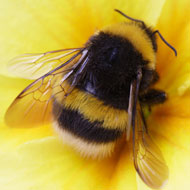
New research suggests bees can forage more successfully by using ‘footprints’ from other bees to distinguish between strangers, relatives and their own scent.
Researchers from the University of Bristol said bumblebees can use this ability to avoid flowers that have already been visited and mined of nutrients.
Lead author Richard Pearce explained that bees secrete a substance whenever their feet touch a substance, in a similar way to humans leaving fingerprints. These invisible scent marks can be detected by themselves and other bumblebees.
In three experiments, bumblebees were repeatedly exposed to ‘rewarding’ and ‘unrewarding’ flowers simultaneously. Each flower type was either unmarked or carried the bees’ own scent, or marks from nest mates or strange bees.
Researchers discovered the bees were able to distinguish between these four flower types, suggesting they can tell the difference between marks from their family members, and scent marks by strangers. They can also discriminate between their own footprints and those of other bees.
“This is the first time it has been shown that bumblebees can tell the difference between their scent and the scent of their family members,” Mr Pearce commented. “This ability could help them to remember which flowers they have visited recently.
“Bumblebees are flexible leaners and, as we have discovered, can detect whether or not it is they or a different bumblebee that has visited a flower recently. These impressive abilities allow them to be cleverer in their search for food, which will help them to be more successful.”


 Companies marketing medicines for small pets exempt from authorisation must submit their annual return to the Veterinary Medicines Directorate (VMD) by 30 November 2026.



