


Komodo dragon blood could help in AMR fight
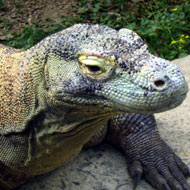
Komodo dragon saliva contains at least 57 species of bacteria that are thought to help kill their prey, but the Komodo itself appears to be resistant to the bacteria.
Antimicrobial substances discovered in the blood of Komodo dragons could help with the development of new drugs for treating antibiotic resistant infections, scientists say.
A study published in the Journal of Proteome Research describes antimicrobial protein fragments that appear to help the lizards resist deadly infections.
Komodo dragon saliva contains at least 57 species of bacteria that are thought to help kill their prey, but the Komodo itself appears to be resistant to the bacteria.
Researchers from the College of Science at George Mason University identified and sequenced 48 potential cationic antimicrobial peptides (CAMPs) - an essential part of the innate immune system - in the blood of Komodo dragons. All but one of these were derived from histone proteins, which are known to have antimicrobial activities.
Eight were synthesised and tested against Pseudomonas aeruginosa and Staphylococcus aureus. Seven out of eight showed significant potency against both bacteria and the eighth was only effective against P. aeruginosa. The researchers conclude that Komodo blood plasma contains a host of potentially viable antimicrobial peptides that could lead to new treatments.


 Companies marketing medicines for small pets exempt from authorisation must submit their annual return to the Veterinary Medicines Directorate (VMD) by 30 November 2026.



