


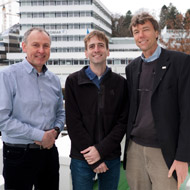
Oxygen losses could have far-reaching consequences
The ocean’s oxygen content has fallen by more than two per cent over the last 50 years, according to new research.
Writing in the journal Nature, the authors of the study note that the finding could be ‘detrimental’ for fisheries and coastal economies.
The study was conducted by oceanographers from the GEOMAR Helmholtz Centre for Ocean Research Kiel.
“Since large fishes, in particular, avoid or do not survive in areas with low oxygen content, these changes can have far-reaching biological consequences,” says Dr Schmidtko, lead-author of the study.
Using historic data available across the world, supplemented with current measures, the team was able to document oxygen distribution and its changes for the entire ocean for the first time.
As well as noting a fall in oxygen content, the researchers also found that oxygen content decreased throughout the majority of the world’s oceans during the period investigated. The greatest loss was found in the North Pacific.
“While the slight decrease of oxygen in the atmosphere is currently considered non-critical, the oxygen losses in the ocean can have far-reaching consequences because of the uneven distribution. For fisheries and coastal economies this process may have detrimental consequences,” says co-author Dr Lothar Stramma.
“However, with measurements alone, we cannot explain all the causes,” adds Professor Martin Visbeck, “natural processes occurring on timescales of a few decades may also have contributed to the observed decrease.”
Image (C) Jan Steffen, GEOMAR


 Companies marketing medicines for small pets exempt from authorisation must submit their annual return to the Veterinary Medicines Directorate (VMD) by 30 November 2026.



