


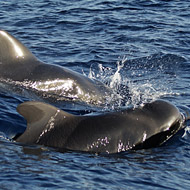
Teams work tirelessly to keep surviving whales afloat
Approximately 400 whales have died in one of New Zealand’s biggest ever pilot whale strandings.
Some 416 whales washed-up near Puponga on the Farewell Spit last Friday (10 February), of which 250-300 were already dead when they were discovered. Attempts to re-float the remaining whales were successful, but a further 200 stranded near the same site on Saturday.
In a statement, New Zealand’s Department of Conservation said that about 400 whales died in the strandings, but the DOC, Project Jonah, and scores of volunteers ‘worked strenuously on their recovery over the three days’.
Three-hundred of the dead whales have been moved by diggers further up Farewell Spit to an area that is not accessible to the public. According to BBC News, workers spent the last few hours piercing holes in the carcases to prevent them from exploding due to gas build up.
According to Project Jonah, New Zealand has one of the highest stranding rates in the world. On average, around 300 dolphins and whales strand every year.
It is not yet known why the whales keep returning to Farewell Spit, but experts believe it could be due to sharks (bite marks were found on one of the dead whales), the shape of the coastline, or its shallow tide.
The whales that were refloated are being constantly monitored as there is a risk they could return to shore. According to the latest update, the pod of 150 or more pilot whales are still at sea, about 2km offshore from Pakwau.
“DOC staff have finished their watch for the whales stranding in the area for tonight but DOC staff will search the coastline early tomorrow for any stranded whales,” said a DOC spokesperson. “The watch has ended tonight after low tide has passed as if the whales should strand tonight they would be refloated in the incoming tide.


 Companies marketing medicines for small pets exempt from authorisation must submit their annual return to the Veterinary Medicines Directorate (VMD) by 30 November 2026.



