


UK ivory market to be debated in parliament
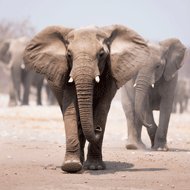
The UK is the largest exporter of ivory items by number among the EU member states.
MPs are set to debate the closure of the UK’s domestic ivory market next month, after a petition calling for action reached over 100,000 signatures.
The petition urges the government to follow through on its manifesto promise to ‘press for a total ban on ivory sales’.
Ellen Cobb, who launched the petition, wrote: ’30,000 African elephants are slaughtered a year for their tusks yet, the government still has not outlawed the trade. From 2009 to 2014, 40 per cent of UK customs seizures were ivory items…
‘There are only around 450,000 African elephants left, in another six years there will be almost half this amount if governments continue to turn a blind eye… The UK needs to set an example that the only tusks of value are those on a live elephant, before they cease to exist.’
A debate will take place in parliament on 6 February.
The UK is the largest exporter of ivory items by number among the EU member states, according to the Born Free Foundation. Declared exports totalled 25,351 ivory items between 2005 and 2015, representing 54 per cent of the EU total. The majority of these (99.8 per cent) were described as ‘ivory carvings’. Most were exported to the US (46.8 per cent), China (28.2 per cent) and Australia (5.6 per cent).
Other countries have already taken steps to introduce a total ban. The US announced a near total ban on the commercial ivory trade in July last year, and last month China - the world’s largest ivory market - pledged to stop all commercial processing and sale of ivory by March 2017, and to completely shut its domestic ivory market by the end of the year.
In September 2016, the UK government announced plans to consult on a ban of modern day (post-1947) sales of worked ivory, but excluded items dated before 1947.
A recent BBC One programme, Saving Africa’s Elephants used radiocarbon dating on nine carved ivory pieces bought online in the UK. They found six of the items were likely to have been illegal, which suggests criminals are exploiting loopholes in the UK ivory market to sell illegal ivory as ‘antique’.
Born Free president Will Travers OBE commented: “Only a ban can choke off this trade and ensure the UK is no longer complicit in fuelling demand for ivory, a demand that destroys tens of thousands of elephants each and every year.”






