


Snow and common leopard filmed in same location
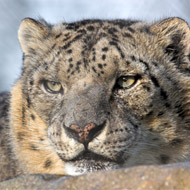
Snow leopards are one of the most enigmatic species of big cat.
Conservationists have recorded the first known footage of a snow leopard and a common leopard sharing the same habitat.
Filmed on the Tibetan Plateau, the video was shared by Panthera - an organisation devoted to the conservation of wild cats.
Experts say the footage raises some ‘interesting and concerning questions’ about the future of snow leopards in a changing climate.
Listed as “endangered” on the IUCN Red List of Threatened Species, snow leopards are one of the most enigmatic species of big cat.
Spread across 12 countries in central Asia, they are usually found in high, rugged, mountain landscapes. Common leopards, however, are usually found in woodland at lower levels.
There are thought to be between 4,500 and 10,000 snow leopards remaining in the wild, but in recent years their numbers have decreased.
Experts believe this is because of climate change, poaching and conflict with humans.
The habitats of snow leopards and common leopards have always overlapped - particularly in the Himalayas and mountainous areas of Asia. But conservationists fear that climate change could make this more complex.
Speaking to BBC News, Byron Weckworth, Panthera’s programme director, said: "In a changing climate, we expect the tree line to move up the slopes and that's encroaching into the snow leopard's habitat”.
Research shows that the upper tree line is already being nudged higher, pushing snow leopards into higher parts of the mountain.
Scientists predict that around 30 to 50 per cent of the snow leopard’s habitat in the Himalayas will eventually vanish because of the shifting woodland.


 Companies marketing medicines for small pets exempt from authorisation must submit their annual return to the Veterinary Medicines Directorate (VMD) by 30 November 2026.



