


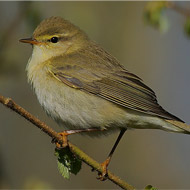
Researchers analyse over four decades of records
Some bird and butterfly species in the UK could vanish if they do not have enough natural habitat to allow them to adapt to global warming, a new study concludes.
The research, published in Global Change Biology, found that cold-associated birds like the willow tit, meadow pipit and willow warbler have already disappeared from some bird communities.
While scientists have known for some time that climate change affects individual species differently, this is the first study to show how habitat loss combines with climate change to drive the loss of species.
“There is a clear signature of climate change on our country’s wildlife, and for many species the situation is worse where the landscape is dominated by arable land and intensively managed grasslands, explained study leader Dr Tom Oliver from the University of Reading.
“Bird communities are struggling to successfully adapt to the warming we’ve had over recent decades. Although butterflies are coping much better, in both cases a lack of natural habitat in our landscapes is putting cold-associated species between a rock and a hard place by limiting their ability to find resources and survive.”
In the study, researchers analysed more than four decades worth of bird and butterfly records from over 600 monitoring sites around England.
They found that numbers of both cold-associated and warm associated birds have fallen over time. But cold-associated species have declined even more as temperatures have risen. This means that many bird communities are now dominated by warm-loving species.
The team also found that butterfly communities in the north of England are gaining new warm-associated species, like the speckled wood butterfly. Yet cold-associated species like the northern brown argus are not fairing well. The research revealed that numbers are dropping in areas where their natural habitat has been destroyed.
The study was carried out by researchers from the University of Reading, the Centre for Ecology and Hydrology, The British Trust for Ornithology, Butterfly Conservation and Natural England.
Dr Mike Morecroft, principal climate change specialist at Natural England, said: “Climate change is with us, here and now, and its effects on wildlife are increasingly well documented.
“This study shows that the way we manage the land can affect the resilience of our wildlife; working together to create larger natural areas in strategic places will help species to cope with a changing climate.”
Image (C) Steve Garvie


 Companies marketing medicines for small pets exempt from authorisation must submit their annual return to the Veterinary Medicines Directorate (VMD) by 30 November 2026.



