


Insects at high latitude more vulnerable to climate change
An increase in temperature can affect an insect’s ability to reproduce, according to research by the University of Sheffield.
The study, published in the Journal of Evolutionary Biology, found that being exposed to mild heat when young, negatively affects an insect’s chance of producing offspring later in life.
The researchers found that the effects of temperature rise vary depending on the insect’s location. For example, insects living in low latitudes, like Spain, cope better with above average temperatures than those living in high latitude areas, like Sweden.
This suggests that insects in high latitude areas are more vulnerable to climate change, which could lead to a population decline.
“We already knew that insects are feeling the effect of climate change but we now know they are felt at much lower temperatures,” commented Dr Rhonda Snook, lead investigator of the study.
“Our study is unique as we only exposed the insects to mild heat but tested the long-term impact this had on them as both juveniles and when they reached adulthood.
“The results show that even small increases in temperature may still cause populations to decline because - while these insects don’t die because of the mild heat – they produce fewer offspring.”
Dr Snook added that young insects are highly susceptible to changes in the environment because they don’t move around much. They are either larvae - like butterfly caterpillars - or they haven’t yet grown wings to fly.
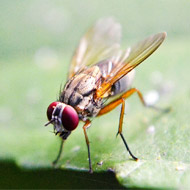
The study was carried out on fruit flies and researchers strongly suspect their findings will be the same for other insects. The team now wish to investigate what genes differ between Spanish and Swedish populations that enable Spanish flies to cope better.
“Identifying genes that are linked to increased and decreased reproduction is something which may be very useful not only in understanding how insects will cope with climate change but from the perspective of controlling insect pests,” said Dr Snook.


 Companies marketing medicines for small pets exempt from authorisation must submit their annual return to the Veterinary Medicines Directorate (VMD) by 30 November 2026.



