


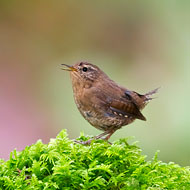
Study finds some birds are being pushed out of territory
Songbirds are being forced to ‘divorce’ their mates and relocate due to urbanisation, with negative impacts for reproduction, US researchers say.
A team from the University of Washington studied hundreds of songbirds from six common species found in Seattle suburbs over a period of 10 years. Their findings have been published in the journal PLOS ONE.
As forested areas are increasingly being removed for suburban developments, a group of songbirds called ‘avoiders’ are being pushed out of their territory, forcing the monogamous birds to leave their mates.
‘Avoiders’ are bird species that are generally shy of humans and require ground cover and brush, such as fallen trees, shrubs and ferns for breeding. Species in the Pacific Northwest include the Pacific wren and Swainson’s thrush.
When the avoider birds were forced to move, researchers found they largely failed to reproduce again for at least a year. The process of moving to a new home and finding a new mate could cause birds to lose half their breeding years.
“These birds don’t like to move once they have established a territory,” explained lead author Professor John Marzluff. “But when it comes to having enough food and safety for a nest, and being able to attract a mate, that’s when things get tough. That’s probably when they decide to move.”
Researchers believe this forced dispersal is the most damaging effect of urbanisation on birds, and the reason some species decline when forests are replaced.
Another group of birds studied are known as ‘adapters’ or ‘exploiters’. These species tolerate or even thrive around human development, finding suitable breeding grounds in gardens or bird boxes. Examples are the song sparrow, spotted towhee, dark-eyed junco and Bewick’s wren.
The adapter birds also moved territory but suburban development did not appear to affect their ability to reproduce. They moved largely to improve their breeding chances, not in response to the changing landscape.
Commenting on the findings, Professor Marzluff said: “To conserve some of these rarer species in an increasingly urban planet is going to require more knowledge of how birds disperse. I expect that as we look more closely, we will find birds that are compromised because of us."
Image by Eleanor Briccetti/Wikimedia Commons/CC-BY-SA 2.0


 Companies marketing medicines for small pets exempt from authorisation must submit their annual return to the Veterinary Medicines Directorate (VMD) by 30 November 2026.



