


China to ban ivory trade in 2017
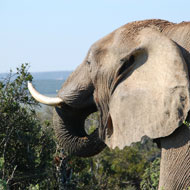
It is estimated that around 20,000 elephants are illegally killed in Africa every year.
China’s decision to ban domestic ivory trade by the end of 2017 has been described as a “major boost” in the fight against elephant poaching in Africa.
The General Office of the State Council of China confirmed the country will ‘cease part of ivory processing and sales by 31 March 2017 and cease all ivory processing and sales by 31 December 2017’.
This follow a resolution adopted at the Convention on International Trade in Endangered Species (Cites) in South Africa in October. It called for countries to take steps to close their domestic ivory markets, if those markets are contributing to poaching or illegal trade.
It is estimated that around 20,000 elephants are illegally killed in Africa every year, largely to meet demand for ivory in Asia, particularly China. Conservationists say China’s pledge to end its domestic trade will make it harder for illegal traffickers to sell their stock, and will deter people in China and elsewhere from buying ivory.
Lo Sze Ping, CEO of WWF-China, commented: “Now that three of the world’s largest domestic ivory markets - China, Hong Kong SAR and the US - are being phased out, we hope that other countries will follow suit.”
The US introduced new federal regulations on 6 July, almost completely prohibiting the domestic ivory trade. More recently, the Hong Kong authorities announced that they would phase out their commercial domestic ivory trade by 2021.
However, while closing domestic ivory markets will have a “major impact”, this alone will not be enough to stop the illegal ivory trade if demand continues. WWF and TRAFFIC are urging the Chinese government to continue efforts to reduce demand, raising public awareness and working with partners to end the trade.


 Companies marketing medicines for small pets exempt from authorisation must submit their annual return to the Veterinary Medicines Directorate (VMD) by 30 November 2026.



