


Birds migrating earlier as temperatures rise
"Now we have detailed insights into how the timing of migration is changing, and how this change varies across species."
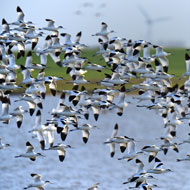
Migrating birds are arriving at their breeding grounds earlier as global temperatures rise, according to a study by the University of Edinburgh.
Scientists looked at records of migrating birds dating back nearly 300 years. Their study of hundreds of species across five continents shows birds are reaching their summer destinations about one day earlier per degree of increasing global temperatures.
The findings, which have been published in the Journal of Animal Ecology, are significant as reaching summer breeding grounds at the wrong time - even by a few days - can cause birds to miss out on the optimum availability of resources, such as food and nesting places. Late arrival may also affect the timing of offspring hatching, which in turn impacts their survival rates.
Long-distance migrants may be most affected as other birds arrive at breeding grounds before them, thereby gaining an advantage.
Researcher Takuji Usui said: "Many plant and animal species are altering the timing of activities associated with the start of spring, such as flowering and breeding. Now we have detailed insights into how the timing of migration is changing, and how this change varies across species.
"These insights may help us predict how well migratory birds keep up with changing conditions on their breeding grounds."


 Companies marketing medicines for small pets exempt from authorisation must submit their annual return to the Veterinary Medicines Directorate (VMD) by 30 November 2026.



