


Antibiotic resistant Klebsiella in wild seals
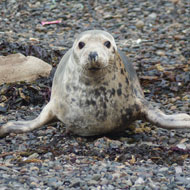
Investigators believe the most likely source of infection to be microbial marine pollution of human origin.
Antibiotic resistant Klebsiella pneumoniae of suspected human origin has been found in free-living common seals on the east coast of England, vets have confirmed.
Klebsiella pneumoniae subspecies pneumoniae (Kpp) was isolated from lesions in three juvenile seals found with ill health or abandoned ashore. Further testing revealed all three isolates showed multiple antibiotic resistance, and two isolates were ST11 - an epidemic clone of Kpp found in people worldwide, often with ESBL or carbapenemase resistance.
Bacteria belonging to the Klebsiella genus are a common cause of hospital-acquired infections in humans. Klebsiella pneumoniae, in particular, accounts for a significant proportion of hospital-acquired urinary, respiratory or generalised infections. In healthcare settings, it has developed increasing resistance to antimicrobials, most recently to carbapenems.
Investigators believe the most likely source of infection to be microbial marine pollution of human origin, possibly human sewage contaminated by Kpp being deposited in the North Sea.
The full paper, which was authored by vets from the APHA, International Zoo Veterinary Group and the RSPCA Norfolk Wildlife Hospital, has been published by the Veterinary Record.
There have been previous reports of antimicrobial resistance in bacteria from free-living wild species. Recent UK evidence suggests wild grey seals may be infected with Salmonella species shared with humans as a result of microbial marine pollution. Kpp has been isolated as the probable cause of lesions in two species of wild sea lions found ill or dead off the coasts of New Zealand and California. The Kpp ST11 was also isolated from dogs and cats in Spain.
However, authors writing in Vet Record say their cases provide the first evidence that antibiotic resistant Kpp belonging to a sequence type usually associated with humans, can be isolated from diseased wild seals in the UK, stranding from North Sea coastal waters.


 Companies marketing medicines for small pets exempt from authorisation must submit their annual return to the Veterinary Medicines Directorate (VMD) by 30 November 2026.



