


Weather conditions cause slump in bees and butterflies
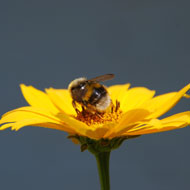
Bumblebee numbers fell by 85 per cent at the National Trust's Lytes Cary property in Somerset.
'Unsettled weather' in 2016 is the cause of a slump in bee and butterfly numbers, a report by the National Trust suggests.
A mild winter and cold spring, followed by wet weather in May and June, led to extremely high grass growth in summer. Grass grew nearly a third faster than in previous years, according to figures from the Agriculture and Horticulture Development Board.
While this was good news for livestock farmers and for making hay and silage, it meant a difficult year for plants and insects that prefer short turf grassland, such as the common meadowland butterfly.
In much of the country, butterfly and bee species were badly affected by the vigorously growing grasses, which crowded out the small plants they are reliant upon.
Bumblebee numbers fell by 85 per cent at the National Trust's Lytes Cary property in Somerset, as wildflowers were outgrown by grasses.
Meadow butterflies struggled on Purbeck in Dorset, with marbled white numbers plummeting by 73 per cent compared to last year. Volunteers also saw 23 per cent fewer common blue butterflies.
Nature expert Matthew Oates said: "In the 10 years we've been reviewing wildlife at our places we've noticed pulses of unsettled weather become the norm. We last enjoyed a good summer in 2006.
"Mild winters and periodically wet summers have seen common wasp numbers apparently slump in many parts of the country, along with common 'meadowland' insects like the common blue butterfly. This could have a knock on effect on the invertebrates, birds and bats that eat them. And what affects insects today could well affect us tomorrow."
However, Oates says one of the great successes of the last decade has been farmers and conservationists working together to reverse wildlife declines.


 Companies marketing medicines for small pets exempt from authorisation must submit their annual return to the Veterinary Medicines Directorate (VMD) by 30 November 2026.



