


Vets welcome Northern Ireland’s bTB strategy
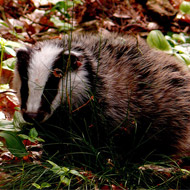
The strategy includes a badger cull in areas with high levels of the disease.
A long-term strategy to eradicate bovine tuberculosis (TB) in Northern Ireland has been welcomed by the BVA and BVA Northern Ireland branch.
Launched in Belfast by the TB Strategic Partnership Group (TSPG), the strategy includes a badger cull in areas with high levels of the disease.
According to a report by Farming UK, the strategy also recommends changes to testing and requirements for better on-farm biosecurity.
Speaking at the launch, agriculture minister Michelle Mcllveen announced that she will consider the recommendations with a view to consulting on the approach "early in 2017".
Established in 2014, the TBSPG was tasked by the Minister of Agriculture with developing a strategy and implementation action plan to eradicate TB from Northern Ireland.
Welcoming the proposals, Seamus O’Kane, president of the BVA Northern Ireland Branch, said: “We are particularly pleased to see an emphasis on an increased role for vets in practice.
“The strategy underlines timely and appropriate communication to ensure all stakeholders know their own role in the effort to make Northern Ireland bTB free, signalling the importance of closer cooperation between farmers, vets and government.”
He added that the BVA was pleased to see the strategy acknowledge the need to control the wildlife reservoir and that they will look carefully at the detail of any proposed culls.
“Overall, we agree with the integrated approach advocated by the TBSPG’s proposed strategy and believe this is what is needed to achieve the long-term goal of TB eradication in Northern Ireland,” he said.
Gudrun Ravetz, president of the BVA commented: “England, Northern Ireland and Wales are all striving to control a disease that has a significant impact on animal health and welfare and agricultural livelihoods.
“BVA has long advocated a comprehensive strategy that uses every available tool that we have in the toolkit. The publication of TBSPG Strategy today is a significant contribution to this comprehensive approach in the UK and to the eventual eradication of bTB in Northern Ireland.”


 Companies marketing medicines for small pets exempt from authorisation must submit their annual return to the Veterinary Medicines Directorate (VMD) by 30 November 2026.



