


Defra confirms avian influenza in England
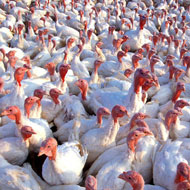
A detailed investigation is underway to determine the most likely source of the outbreak.
Avian influenza H5N8 has been detected on a turkey farm near Louth in Lincolnshire, Defra has confirmed.
More than 5,000 birds at the farm have been affected - most have died and any remaining birds will be humanely culled.
A 3km protection zone and a 10km surveillance zone has been put in place around the farm to limit the spread of disease.
Chief veterinary officer Nigel Gibbens said: "Avian flu has been confirmed on a turkey farm in Lincolnshire. This is the same strain that has been affecting poultry in Europe."
Public Health England (PHE) said the risk to public health is very low and the Food Standards Agency (FSA) confirmed bird flu does not pose a food safety risk to UK consumers. Thoroughly cooked poultry and poultry products - including eggs - are safe to eat.
It is not anticipated that supplies of turkeys and other birds will be affected over Christmas.
Prevention zones (housing orders) that were introduced on 6 December remain in place in England, Scotland and Wales - including within the protection and surveillance zones. Defra said poultry and captive bird keepers should continue to house their birds where practical, maintain their biosecurity and remain vigilant about their birds' health.
A detailed investigation is underway to determine the most likely source of the outbreak.
Mr Gibbens added: "Bird keepers should remain alert for any signs of disease, report suspected disease immediately and ensure they are maintaining good biosecurity on their premises.
"We are urgently looking for any evidence of disease spread associated with this farm to control and eliminate it."


 Companies marketing medicines for small pets exempt from authorisation must submit their annual return to the Veterinary Medicines Directorate (VMD) by 30 November 2026.



