


Urban robins affected by light pollution, study finds
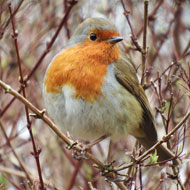
"Artificial night-time lighting and more daytime noise resulted in lower quality robin territory."
Light and noise pollution can lead to lower quality habitats for urban robins, according to researchers from the University of Southampton, who say the birds' song and behaviour is affected.
The findings were revealed at the annual British Ecological Society meeting, BBC News reports.
In order to protect good quality territory and attract mates, male robins display aggressive and very vocal behaviour. Researchers wanted to find out how this was affected by proximity to a lit path and road.
A taxidermy robin was set up at different sites in a city park, along with a recording of a robin's song. Researchers recorded the responses of other birds and developed a 'dominance hierarchy'. They found those closer to lit paths and noisy roads were much lower down this hierarchy - displaying less aggressive responses.
Lead researcher Frances Mullany told BBC News: "Artificial night-time lighting and more daytime noise resulted in lower quality robin territory. So these anthropogenic factors can be just as important as environmental factors [for wildlife habitat] in an urban landscape."


 Companies marketing medicines for small pets exempt from authorisation must submit their annual return to the Veterinary Medicines Directorate (VMD) by 30 November 2026.



