


Meru's lion populations prevail
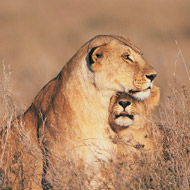
The survey estimated around 79 lions living within or close to the park (stock photo).
A new survey monitoring large carnivores has revealed the strength and endurance of lion populations in Meru National Park, Kenya. The survey, conducted by the Born Free Foundation in collaboration with the Kenya Wildlife Service, estimated around 79 lions living within or close to the park.
The census brought hope, following the recent publication of data that suggested a 60 per cent decline in lion populations across east, central and west Africa, over the last 21 years. Africa is now home to less than 20,000 lions with dwindling numbers attributed to poaching, trophy hunting and the demand for lion parts in specific countries.
Meru National Park, situated in the North Eastern foothills of Mount Kenya, was devastated by poaching in the 1970s and 80s and is now being regenerated. The park was home to the infamous lioness, Elsa, who was raised and reintroduced to the wild by conservationists, Joy and George Adamson. Her story was brought to light in Joy Adamson’s best-selling book, Born Free, which was adapted for the screen and went on to win an Oscar.
To mark the 50th anniversary of the Born Free film premiere, the wildlife charity launched a variety of events and activities, including the documentary series - Virginia McKenna’s Born Free. The charity also attended the 17th meeting of the Conference of the Parties to the Convention on International Trade in Endangered Species (CITES) and commissioned important research into Ethiopia’s lion populations.
Will Travers OBE, president and CEO of Born Free Foundation, who was part of the team in Meru, said: "My mother, Virginia McKenna, and I were recently in Meru, one of the most striking and under-appreciated parks in Kenya. To see the dedication of Kenya Wildlife Service, our Born Free team, our colleagues from the David Sheldrick Wildlife Trust, and the members of the local community, was inspiring. Africa’s lions are in trouble but we are all working hard to make sure that in Meru their future can be secured."
Tim Oloo, country manager for Born Free Kenya, added: "The data we have obtained from the census will allow Born Free Foundation, working with KWS, to build informed programmes to help conserve and protect lions. We’re going to save the Meru lions!"
As Born Free’s celebratory 'Year of the Lion 2016' comes to an end, the foundation has released a short video documenting some of the research undertaken by the team, in the Meru National Park.


 Companies marketing medicines for small pets exempt from authorisation must submit their annual return to the Veterinary Medicines Directorate (VMD) by 30 November 2026.



