


FVE welcomes PHC for Campylobacter spp.
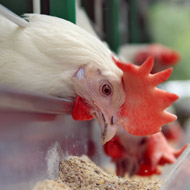
Effective PHC must be combined with interventions on poultry farms, such as improved biosecurity measures and rapid testing of flocks.
The Federation of Veterinarians of Europe (FVE) has welcomed the introduction of process hygiene criterion (PHC) for Campylobacter spp. for poultry carcasses.
FVE is now calling for EU policy makers to agree upon a PHC at slaughterhouse level that will benefit the poultry market in the EU and increase protection for consumers.
Veterinary interventions to control Salmonella spp. - particularly in poultry flocks - alongside the use of microbiological criteria, resulted in a 44 per cent reduction in human salmonellosis cases within the European Union from 2008-2014.
FVE believes a similar approach could be used to reduce contamination from Campylobacter spp. in poultry, with major control measures at farm level, good hygienic practices (GHPs), hazard analysis and critical control point (HACCP) programmes and the adoption of a PHC at slaughterhouse level.
Effective PHC must be combined with interventions on poultry farms, such as improved biosecurity measures and rapid testing of flocks, the federation added.
Consumer awareness campaigns on hygienic handling, preparation and consumption of meat is also key. Epidemiological data suggest 20-30 per cent of human cases of campylobacteriosis are linked with cross-contamination of food in the home.
FVE has made three recommendations to EU policy makers:
- A PHC at slaughterhouse level which will benefit the EU poultry market and increase consumers' protection
- Regulate the implementation of Harmonised Epidemiological Indicators for Campylobacter spp., in particular the pathogen testing at farm level whose results will lead to the risk categorisation of poultry flocks
- Reinforce awareness among consumers on hygiene and handling practices of poultry meat and products at home


 Companies marketing medicines for small pets exempt from authorisation must submit their annual return to the Veterinary Medicines Directorate (VMD) by 30 November 2026.



