


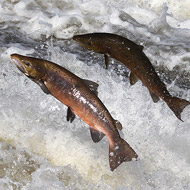
Fish poaching remains the most commonly reported offence
The number of recorded wildlife crimes in Scotland fell by 20 per cent in the five-year period to 2015 according to the annual wildlife crime report.
Published on Friday (25 November), the report collates data from the Scottish Government, the Crown Office, Police Scotland and all members of the Partnership for Action Against Wildlife Crime Scotland.
While the latest figures show a positive five-year trend (2010-2015), the report highlights an increase of 11 per cent in recorded wildlife crime between 2013-14 and 2014-15.
“This fourth wildlife crime annual report continues to shine a spotlight on the ongoing issues we are facing to protect Scotland’s wildlife from illegal activity,” commented Roseanna Cunningham, cabinet secretary for environment, climate change and land reform.
“Responding to feedback, this report now contains even more detailed data as we strive to improve the big picture view of the true extent of wildlife crime in Scotland.”
In 2014-15, the report shows there were 284 recorded wildlife crime offences in Scotland, compared to 255 in 2013-2014.
Figures suggest that fish poaching remains the most commonly reported type of wildlife crime, with 90 recorded offences in the period 2013-2014.
Ms Cunningham recently instructed a review of satellite tagging data to discover why so many tagged birds of prey are going astray.
“I remain determined to tackle outdated practices and attitudes,” she continued. “Scotland’s wildlife is for everyone to enjoy; not for criminals to destroy for their own ends. The Scottish Government will use all of the tools available to enable our law enforcement colleagues to bring those responsible to account.”
Image (C) Walter Baxter


 Companies marketing medicines for small pets exempt from authorisation must submit their annual return to the Veterinary Medicines Directorate (VMD) by 30 November 2026.



