


Daylight saving time could save koalas, study suggests
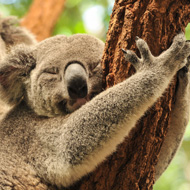
Koala numbers have fallen by 80 per cent in the Brisbane region due to cars, dogs and disease.
Adopting daylight saving time in South-East Queensland could help to save koalas, according to new research.
The study, published in Biology Letters, found that daylight saving time would decrease car collisions with koalas by eight per cent on weekdays and 11 per cent on weekends.
“This is achieved by simply shifting the timing of traffic relative to darkness,” explains Professor Robbie Wilson from the University of Queensland.
“Daylight saving time could reduce collisions with nocturnal wildlife (animals that are active at night) because it would still be light when commuters drive home.”
In the last 20 years, koala numbers have fallen by 80 per cent in the Brisbane region due to cars, dogs and disease.
In the study, researchers tracked wild koalas and compared their movements with traffic patterns along roads where they were often killed.
The researchers say a switch could also benefit other nocturnal animals, like kangaroos and wallabies.
“Cars are responsible for hundreds of koala deaths each year,” Dr Bill Ellis from UQ’s School of Agriculture and Food Sciences.
“Anything that can reduce the number of cars on the road when nocturnal animals begin moving around is a good thing, and we wondered if daylight saving might be a factor.”
Encouraged by the results of the study, Dr Wilson said the results showed the importance of understanding the behaviour of animals in the wild.
“If we can reduce the number of animals hit on the roads by making a simple change like this, then conservation and road safety should become part of the debate on daylight saving,” he said.
“The flipside of this research is that we don’t know the effect daylight saving will have on diurnal animals (those active in the daytime) – such as snakes, lizards and birds - so future research should also incorporate studies of these animals,” he said.


 Companies marketing medicines for small pets exempt from authorisation must submit their annual return to the Veterinary Medicines Directorate (VMD) by 30 November 2026.



