


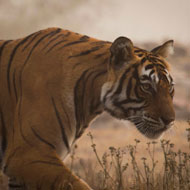
Asian governments urged to consider conservation
Recent progress in tiger conservation is under threat as major infrastructure plans across Asia are set to put all tiger landscapes in peril. This is according to a new report by WWF.
There are plans for the construction of around 11,00km of roads and railways, which would cut through every existing tiger habitat. It is also predicted to increase poaching and human-tiger conflict.
WWF is urging Asian governments to consider tiger conservation in all infrastructure planning by identifying tiger habitats and making them 'off limits' to infrastructure in future, as well as preserving 'corridors' that are key to tiger movement.
The news comes at the midway point of the Tx2 goal to double wild tiger numbers by 2022.
There are an estimated 3,900 tigers in the wild, an increase of 700 in the past six years. After decades of devastating declines the species has recently shown signs of recovery in a number of key landscapes and countries, thanks to improved conservation efforts. But this recovery is precarious, WWF says.
Tiger habitats span three World Heritage Sites that will face fragmentation if the planned infrastructure goes ahead. Each of the at-risk habitats are recognised biodiversity hotspots that benefit millions of people through tourism and other factors. In India, the potential value of tiger reserves is estimated at $130 million a year.
China, Myanmar, Thailand and Malaysia have less than 500 tigers between them, which WWF says they could lose in the next decade, especially if poor infrastructure plans are given the go ahead.
Mike Barrett, WWF-UK's acting executive director of global programmes, warned: "Poorly-planned development and infrastructure carry grave threats, which are compounding increased levels of poaching and human-wildlife conflict."
Mike Baltzer, who leads WWF's Tiger Alive Initiative, added: "The good news is that solutions exist and it is not too late. But if countries do not act now, the damage will be irreparable.
"Tigers are part of the cultural fabric of Asia and of our shared global heritage and represent vast areas of natural habitat that are critical to the well-being of millions of people in Asia."
Image © Diane Walkington/WWF-UK


 Companies marketing medicines for small pets exempt from authorisation must submit their annual return to the Veterinary Medicines Directorate (VMD) by 30 November 2026.



